
Oysters & History.Discovering St Brelade's Past

From ancient churches to dramatic granite headlands and reminders of Jersey’s wartime past, the landscape around Oyster Box is filled with stories.
From ancient churches and medieval chapels to dramatic granite headlands and reminders of Jersey’s wartime past, the landscape around Oyster Box is filled with stories.
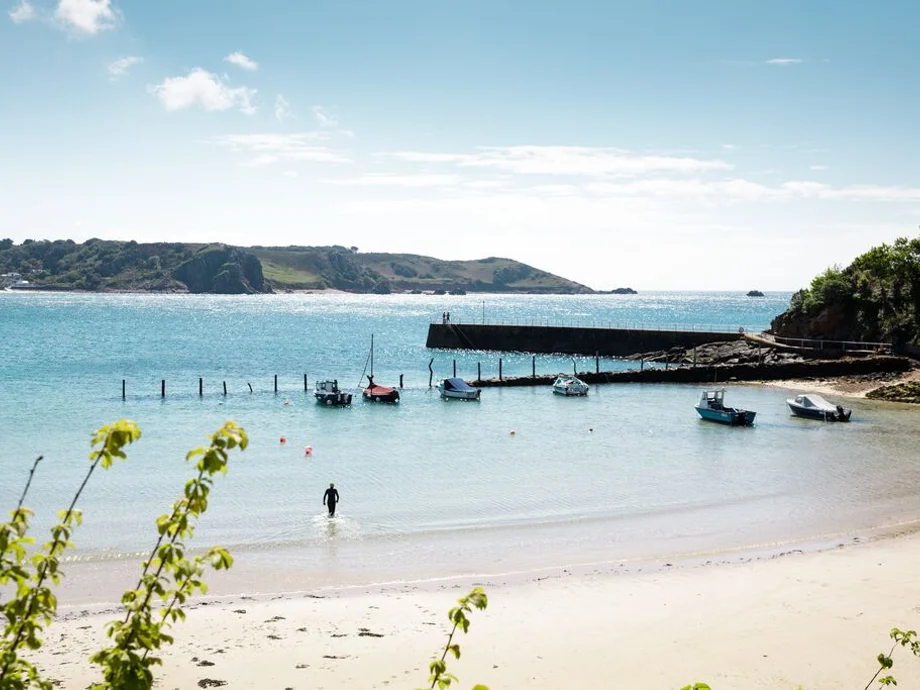
Perched on the shore of St Brelade’s Bay, Oyster Box is surrounded by some of the island’s most distinctive landmarks. So, next time you join us for lunch or dinner, why not make a day of it and explore a little of the history on our doorstep?
St Brelade’s Church
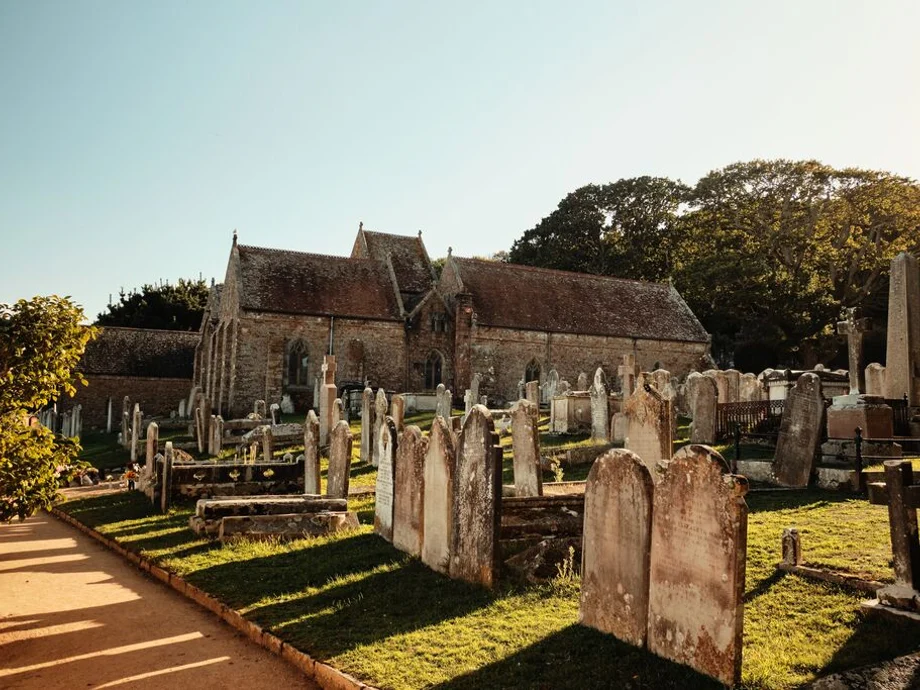
At the western end of St Brelade’s Bay stands the Parish Church of St Brelade, one of Jersey’s twelve ancient parish churches.
The church is one of the island’s most significant historic buildings, with the oldest parts of the present structure dating from the 11th or early 12th century. The site itself has an even longer history, with the church website describing it as the location of the original wooden church associated with St Brelade in the 6th century.
Its position overlooking the bay makes it one of the most atmospheric places in the area, and a reminder that people have been gathering in this corner of Jersey for centuries.
The Fishermen’s Chapel
Immediately beside the Parish Church is the wonderfully atmospheric Fishermen’s Chapel.
The present stone chapel dates from the 11th–12th centuries and stands on a site associated with an earlier 6th-century monastic church. Over the centuries, the building has served several purposes and became associated with fishing communities, giving the chapel its familiar name. It also contains remarkable medieval wall paintings.
Today, the church and chapel form one of the most fascinating historic corners of St Brelade’s Bay.
Ouaisné and La Cotte de St Brelade
Follow the coastline around the bay towards Ouaisné and the landscape becomes more rugged.
Here you’ll find La Cotte de St Brelade, a dramatic granite headland and one of Europe’s most important prehistoric archaeological sites. Archaeological evidence preserved within its ravines provides a record of human activity stretching back more than 250,000 years, including evidence of Neanderthal occupation during the Ice Age.
It’s a remarkable thought: the coastline around St Brelade has been part of the human story for hundreds of thousands of years.
Churchill Park
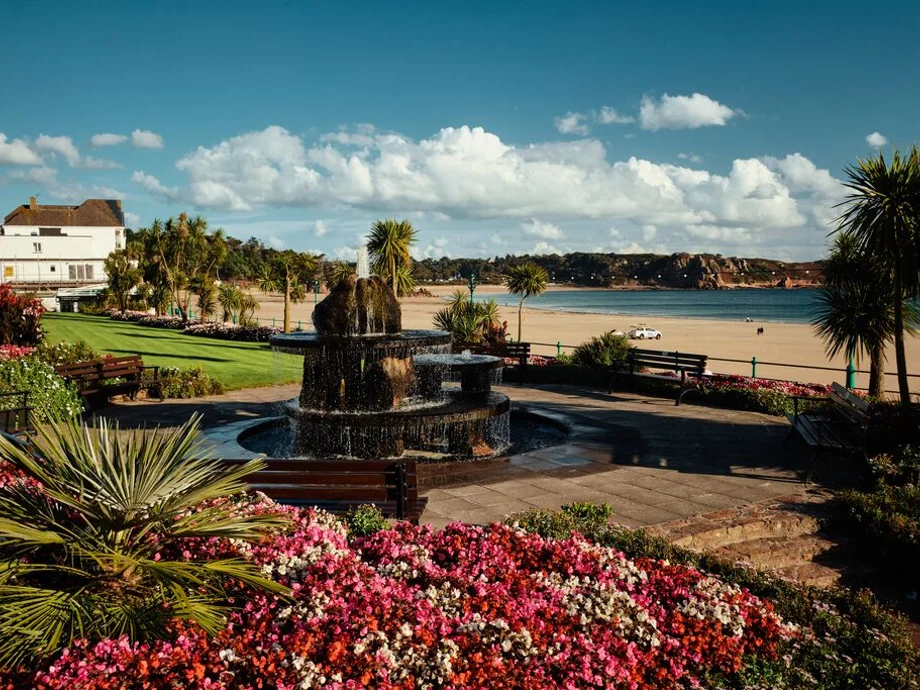
Closer to the heart of the bay is Sir Winston Churchill Park, a peaceful green space with views towards the beach and coastline.
The park contains a memorial bust of Churchill and a memorial to the liberation of the Channel Islands at the end of the Second World War. The inscription commemorates the liberation of the islands on 8 May 1945.
It’s another small piece of the history that surrounds the bay, and a pleasant place to pause during a walk along the coast.
From Jersey’s past to its plate
There’s a natural connection between the history of St Brelade and what we serve at Oyster Box.
The sea has always been central to life on this part of the island. Today, it continues to shape the experience of the bay – from the fishing and shellfish found in Jersey’s waters to the oysters grown around the island and served at our tables.
So, whether you’re visiting the church, exploring the coastline or simply enjoying the view from Oyster Box, take a moment to look beyond the beach.
St Brelade’s Bay is more than a beautiful place to eat. It’s a landscape shaped by centuries of Jersey life, and a place where the island’s history, coastline, and produce come together.