
A Tale of the Tides.Jersey's evolving coastline
Jersey experiences one of the largest tidal ranges in the world – but what makes it so special?
Jersey’s coastline is constantly changing.
One moment, the sea stretches across the horizon. A few hours later, vast areas of sand and rock have been revealed, opening up beaches, rock pools and stretches of coastline that were hidden beneath the water.
It’s one of the things that makes Jersey such a fascinating place to live, visit – and eat.
One of the biggest tidal ranges in the world
Jersey experiences one of the largest tidal ranges in the world, with the difference between high and low tide sometimes reaching around 12 metres.
That means the island’s coastline can look dramatically different from one part of the day to the next.
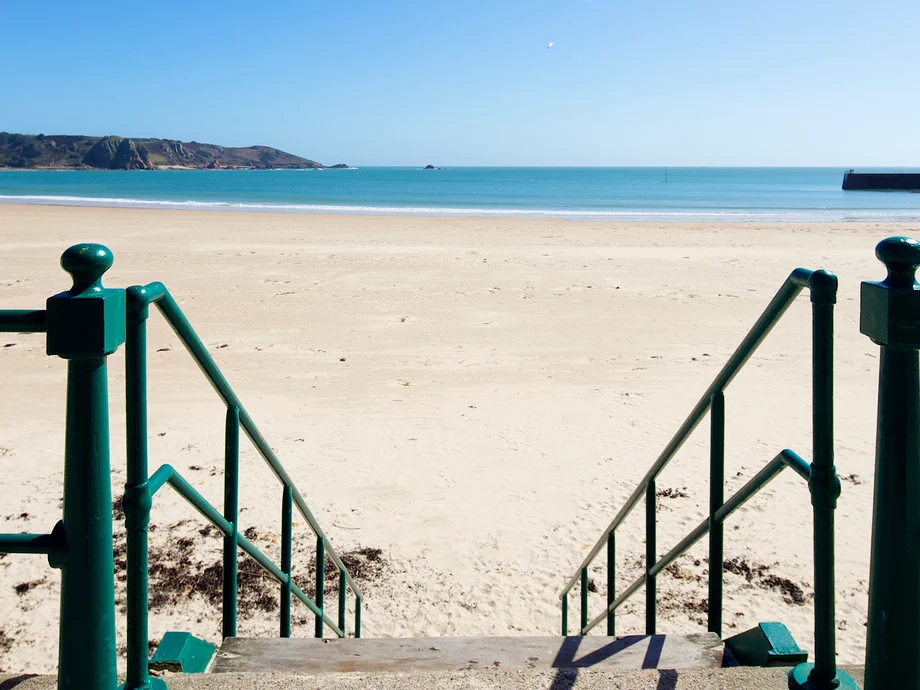
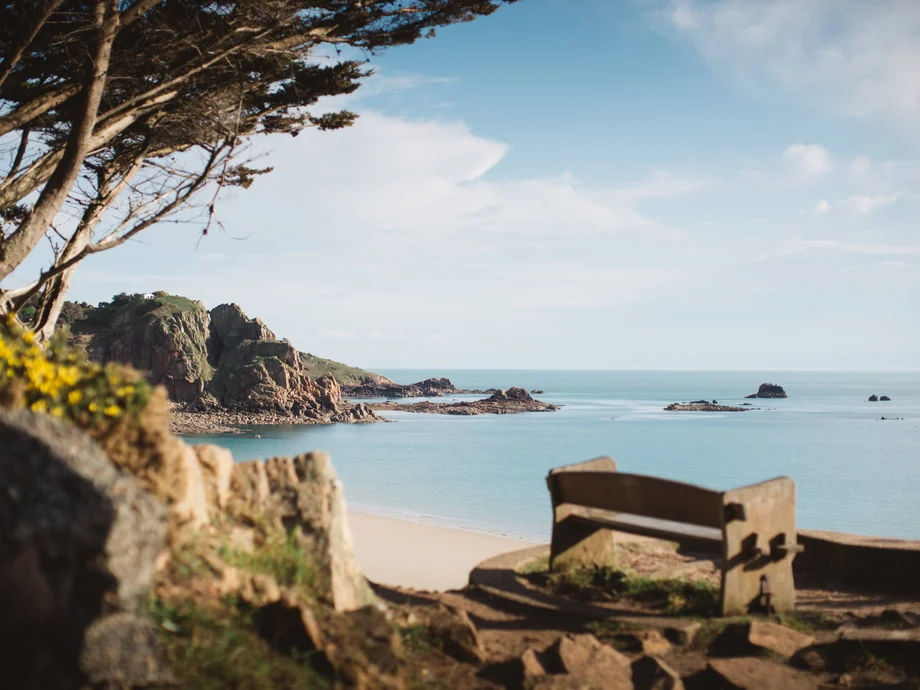
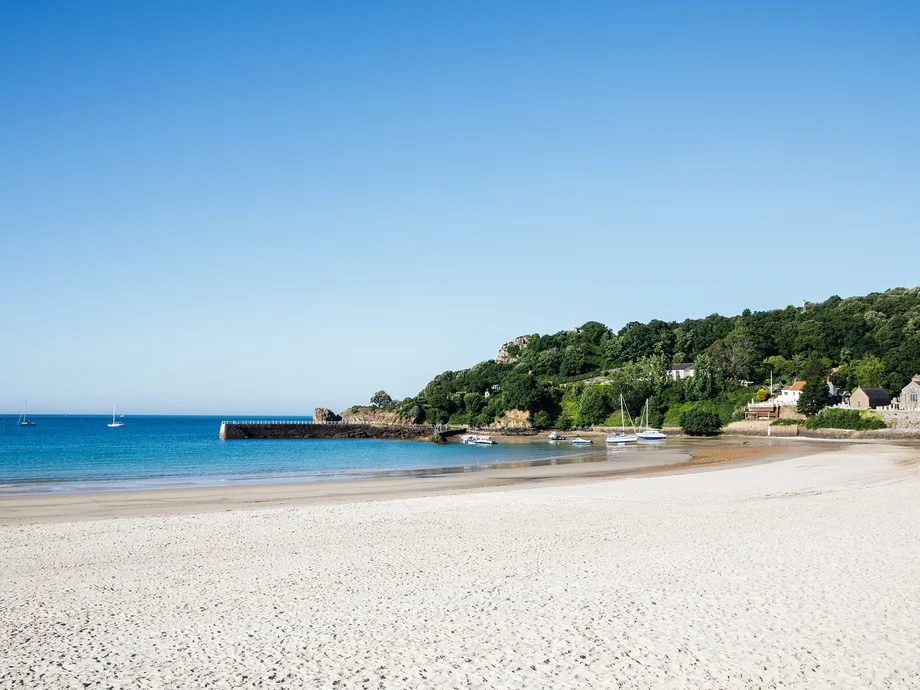
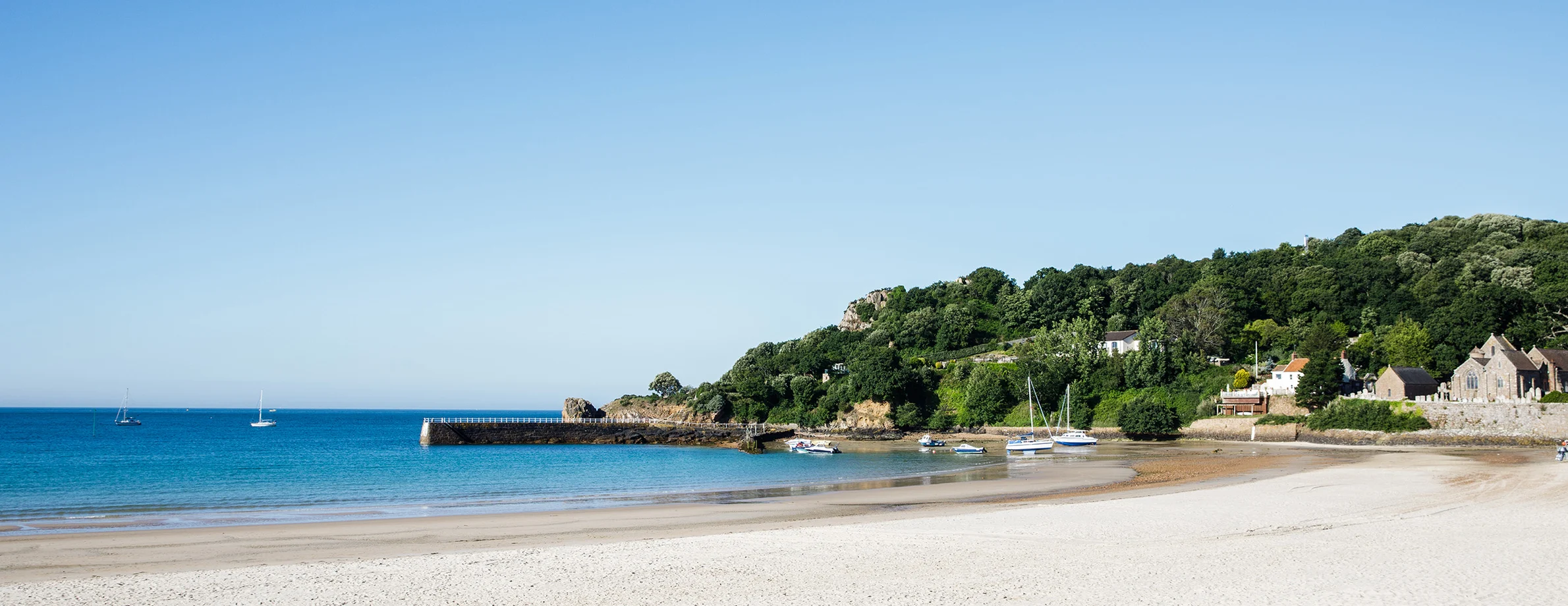
Here at St Brelade’s Bay, the effect is particularly striking. At high tide, the sea reaches towards the shore, while at low tide the sandy beach stretches out and the rocks and pools around the edges of the bay are exposed.
It’s the same coastline, but it can feel like two completely different places.
A coastline shaped by the sea
The tides have played an important role in Jersey’s landscape and way of life for centuries.
They influence fishing, shellfish gathering and aquaculture, while the exposed seabed and rocky coastline provide habitats for a huge variety of marine life.
The island’s tidal waters also contribute to the distinctive environment in which local oysters are grown.
At Oyster Box, that connection between the sea and what we serve is particularly important. Our Jersey oysters are grown in the waters around the island before making their way to our kitchen and, ultimately, your table.
Look a little closer
The changing tide is also an invitation to explore.
At low tide, rock pools reveal small marine ecosystems that are usually hidden beneath the water. Along Jersey’s coastline, you can discover seaweed, shells, crabs and other marine life among the rocks and pools.
Of course, the sea deserves respect. Coastal conditions can change quickly, and areas exposed at low tide can become inaccessible as the water returns. Always check the tide times before exploring and take care around slippery rocks and changing conditions.
The sea changes the view
Perhaps the simplest pleasure of Jersey’s tides is that they continually change the view.
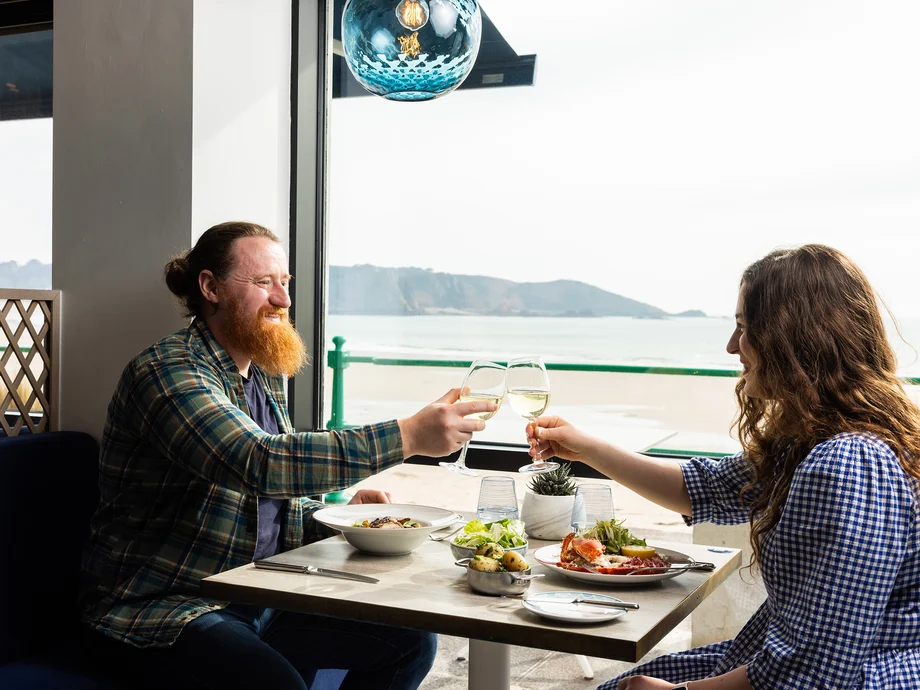
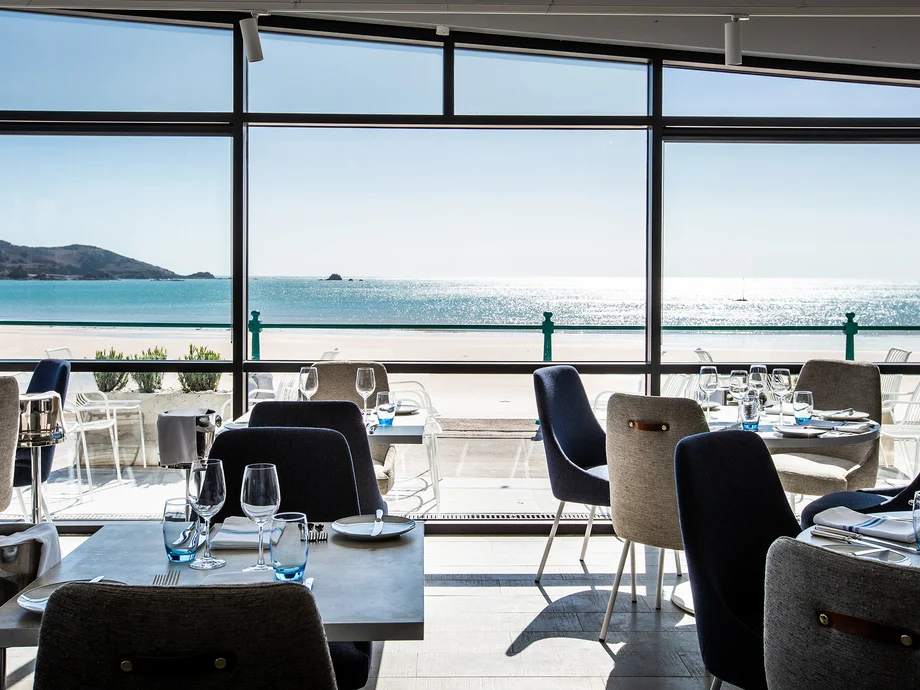
Sit at Oyster Box for a long lunch and the scene outside may look completely different by the time you finish your meal.
The beach expands and contracts. Boats move with the water. The colours of the sea change with the light.
There’s something rather special about eating beside a coastline that never quite looks the same twice.
So next time you visit Oyster Box, take a look outside.
Check the tide.
And watch Jersey’s coastline change before your eyes.